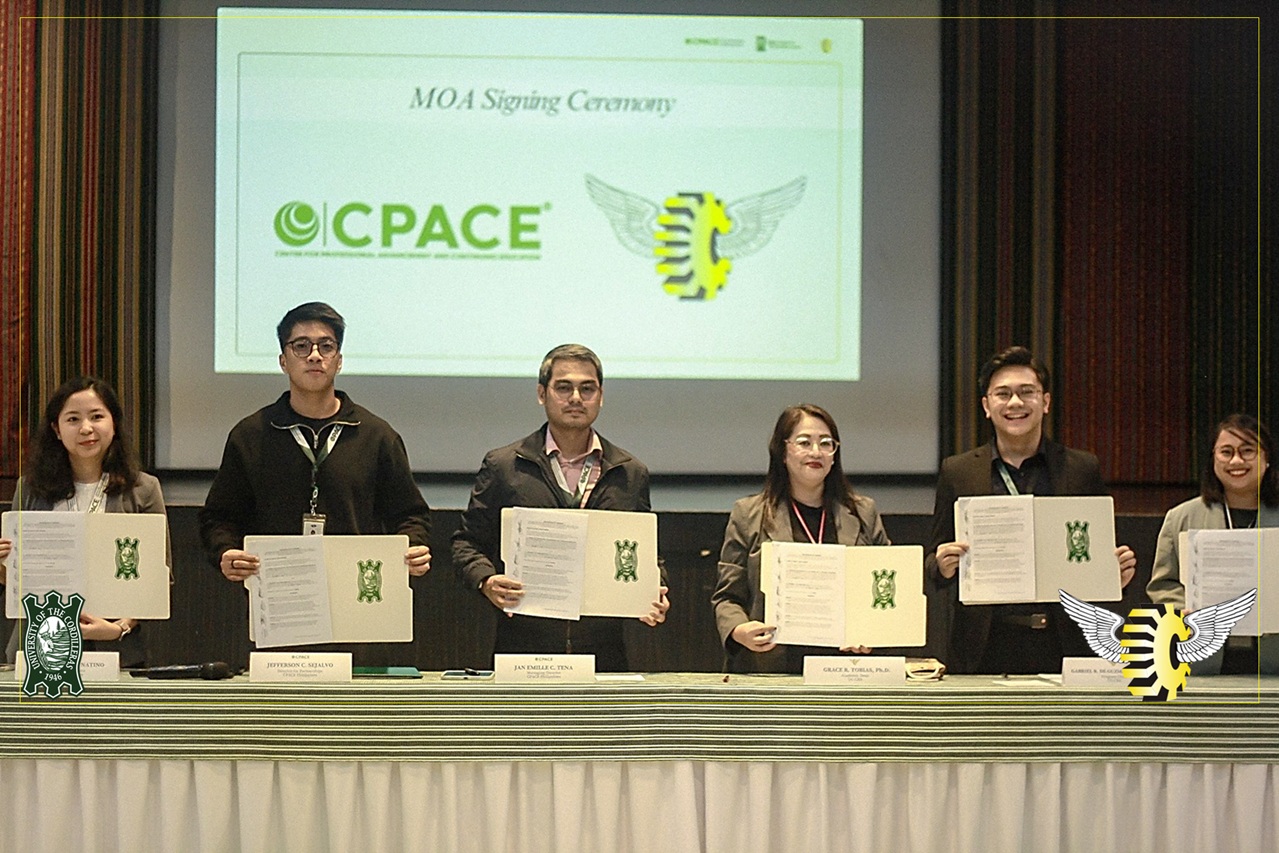

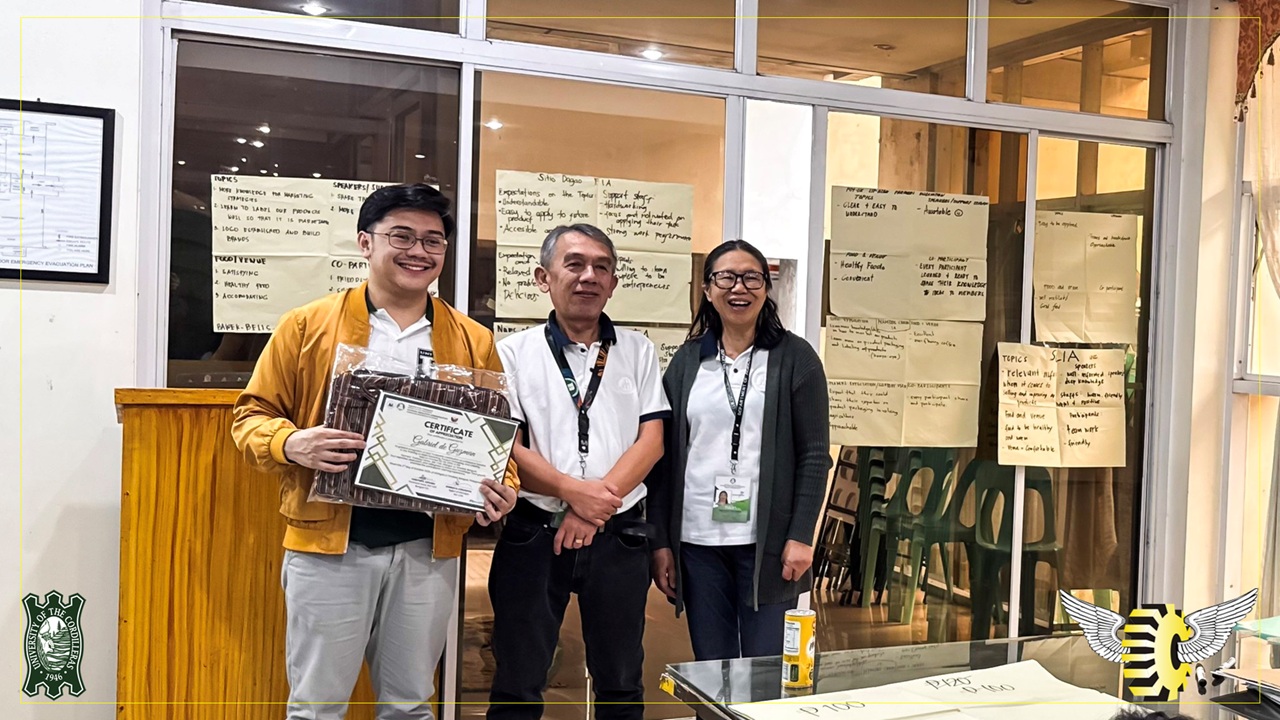
By Joycelyn P. Ituriaga
La Trinidad, Benguet, October 2–3, 2025
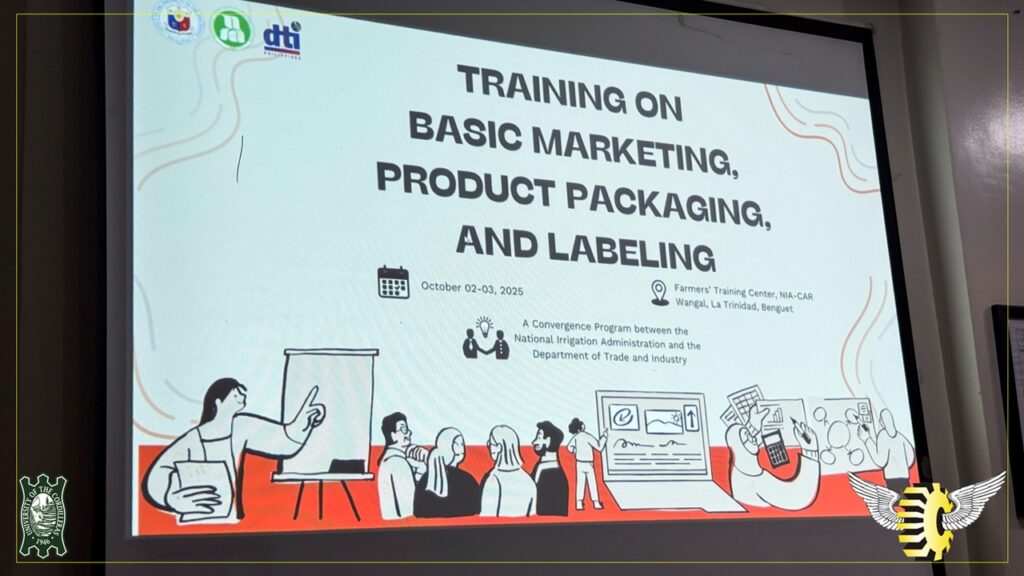
The Farmers’ Training Center at NIA-CAR, Wangal, La Trinidad became a hub of learning and empowerment as the National Irrigation Administration (NIA) and the Department of Trade and Industry (DTI)-Benguet launched a two-day Training on Basic Marketing, Product Packaging, and Labeling under their Convergence Program.
This initiative directly supports the United Nations Sustainable Development Goals (SDGs). It advances SDG 1: No Poverty (Indicator 1.4.1) by ensuring equal access to economic resources and basic services, equipping farmers and Irrigation Associations with tools to improve product value and marketability. It contributes to SDG 4: Quality Education (Indicator 4.4.1) by enhancing relevant skills for employment and entrepreneurship through capacity-building sessions led by academic experts. It strengthens SDG 8: Decent Work and Economic Growth (Indicator 8.3.1) by fostering sustainable livelihoods through improved marketing strategies. Finally, it embodies SDG 17: Partnerships for the Goals (Indicator 17.17.1) by encouraging effective collaboration among public, private, and academic institutions, particularly UC CBA, NIA-CAR, and DTI-Benguet.
UC CBA’s Expertise in Action
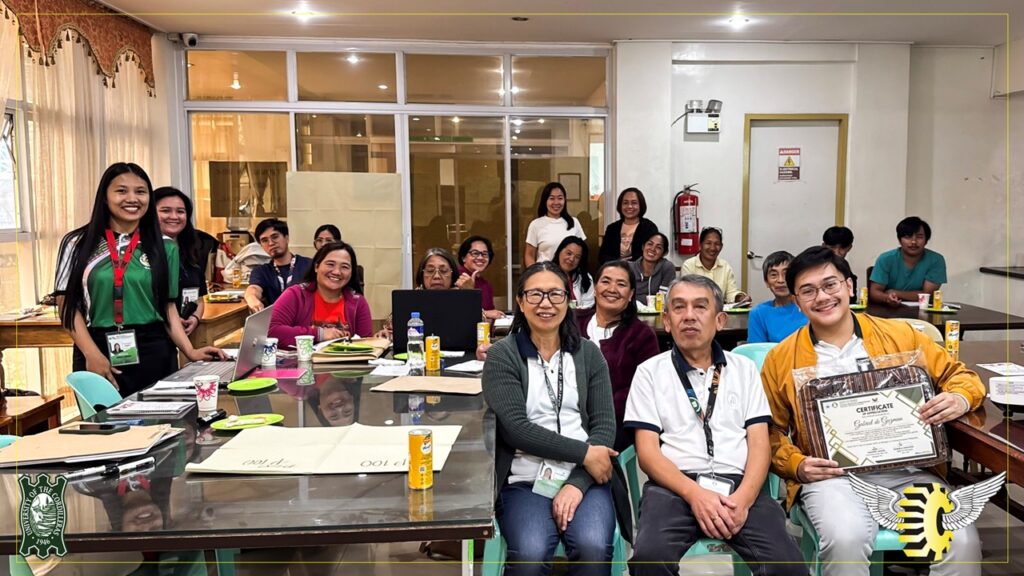
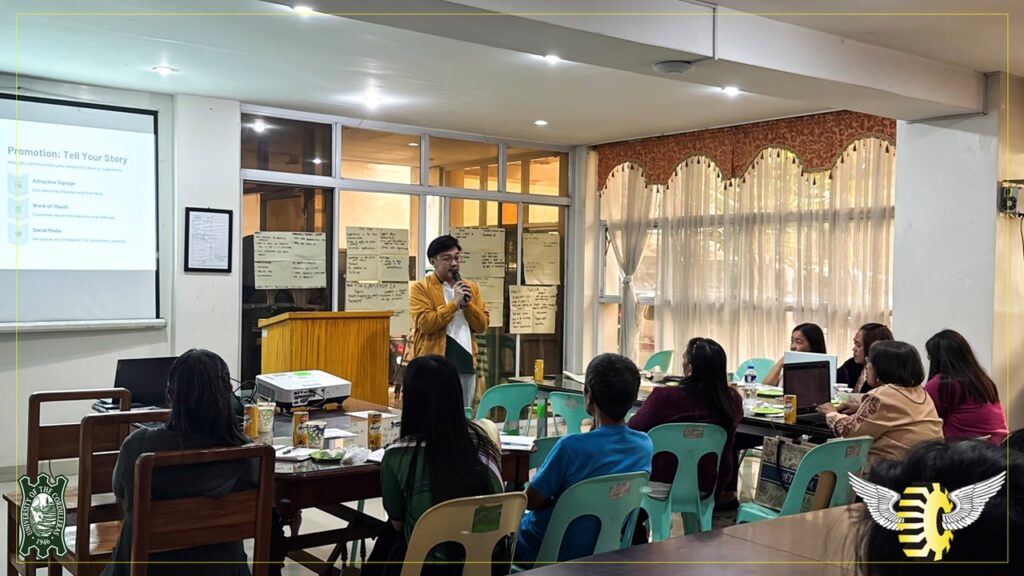
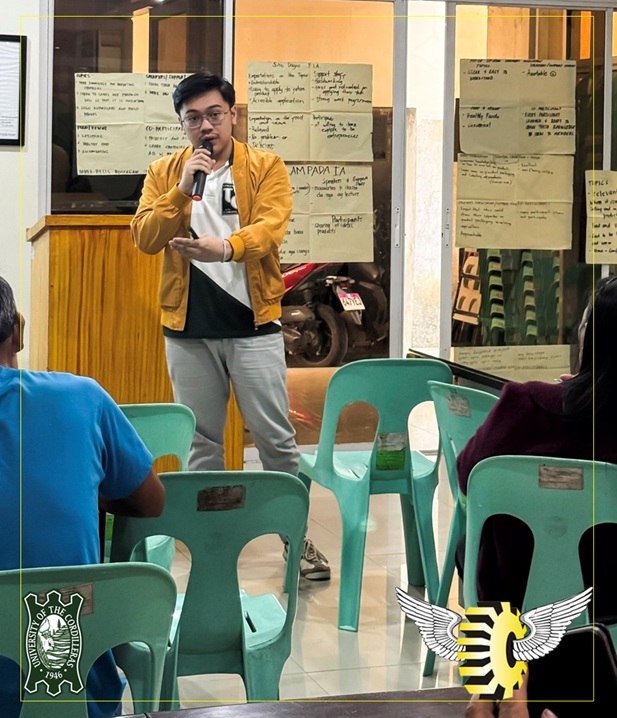
Representing the University of the Cordilleras College of Business Administration (UC CBA), Mr. Gabriel R. De Guzman, Program Chair, served as one of the resource speakers. His session on marketing strategies and product development sparked meaningful discussions among participants, offering practical insights into identifying target markets and customer needs, crafting compelling product value propositions, designing effective packaging and labeling for local products, and leveraging branding to increase market visibility and consumer trust.
Mr. De Guzman emphasized the importance of aligning product identity with consumer expectations, particularly in competitive agricultural markets. His approach combined academic rigor with real-world applications, making the session highly engaging and impactful. with real-world applications, making the session highly engaging and impactful.
Building Entrepreneurial Capacity
The training also featured interactive workshops and group activities, allowing participants to apply concepts in packaging design, labeling compliance, and marketing planning. These exercises strengthened entrepreneurial thinking, improved product presentation and shelf appeal, and equipped farmers with tools to access broader markets. Participants expressed appreciation for the hands-on learning experience and the opportunity to engage directly with experts from both government and academia.
Impact and Relevance
Mr. De Guzman highlighted that even simple marketing principles, when applied consistently, can significantly improve product competitiveness and market reach. Proper packaging and labeling, he noted, not only enhance product appearance but also build consumer trust and communicate quality—critical factors in competing with commercial brands.
By strengthening local enterprises through improved business skills, the initiative contributes to local economic development and sustainability, ensuring that farmers and associations can increase income and support long-term growth in the Cordillera region.
Collaboration and Future Plans
The partnership between NIA and DTI was lauded as highly significant, combining technical support with business development. Together, they provide farmers and associations with both operational guidance and market-oriented skills, leading to stronger and more sustainable communities.
As a partner of DTI Baguio–Benguet, UC CBA expressed its commitment to conducting more trainings, seminars, and workshops. The College plans to continue supporting similar initiatives through community outreach, extension programs, and partnerships, enabling faculty to share expertise beyond the classroom.
Personal Reflection
For Mr. De Guzman, the experience was both professionally and personally fulfilling. “It was very rewarding to reach out to the community and share my expertise, not only with students but also with practitioners,” he reflected. Beyond adding to the number of seminars conducted, he found inspiration in knowing that such engagements can encourage other faculty members to actively participate in community development.
His message to participants and the wider community was clear: “Marketing is vital. Even simple marketing principles, when applied consistently, can greatly improve products, increase market reach, and support long-term success.”
Facebook Post by Gabriel R. De Guzman
Photo by Gabriel R. De Guzman