

By Dionne Gail A. Toquero
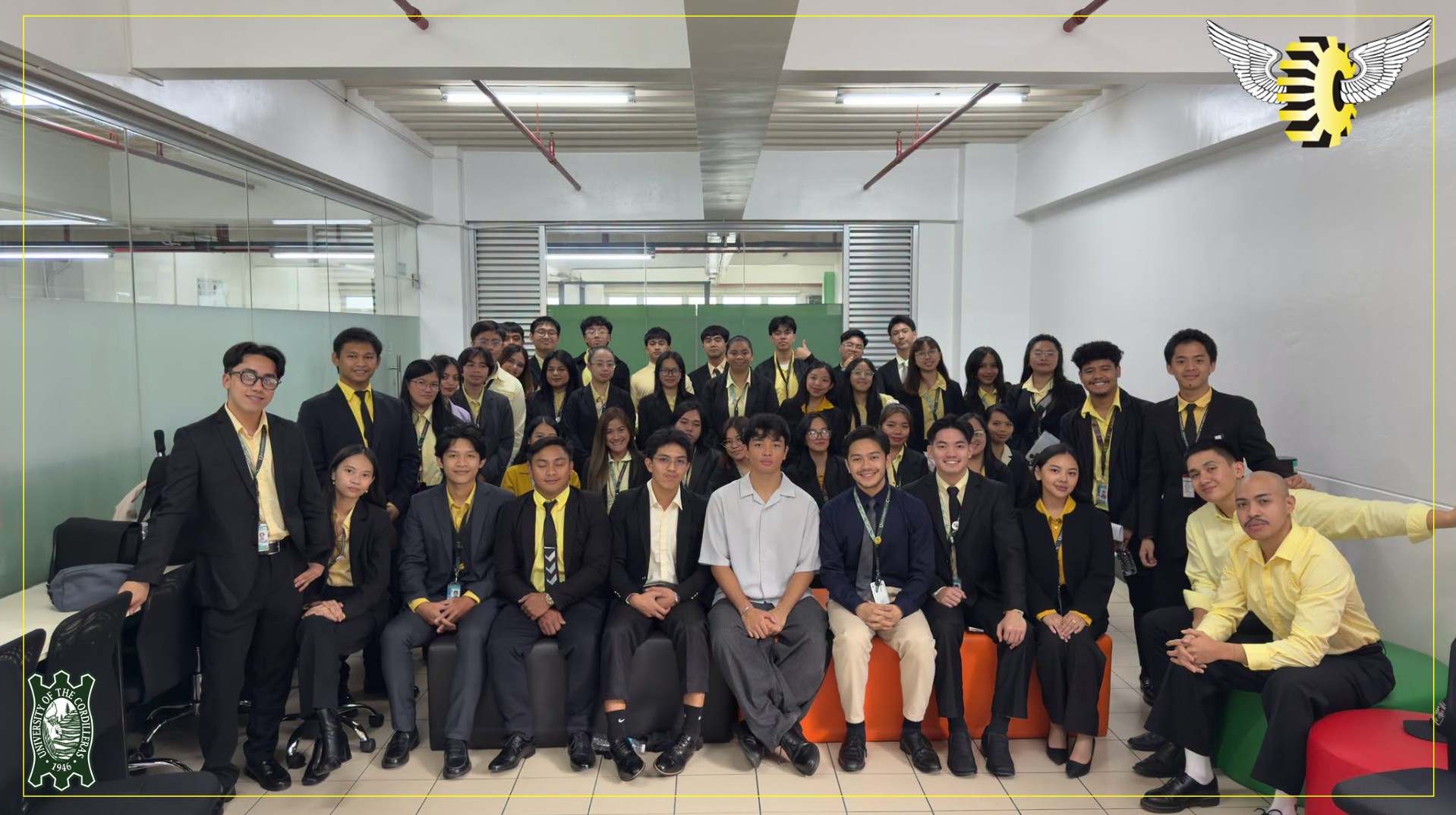
On October 6–7, 2025, the Neo Management Executive Club (NMEC) of the College of Business Administration (CBA) hosted a transformative two-day seminar titled “Cracking the Code: Understanding Data Types and Measurement Scales.” Held in Rooms F506, F503, and S407 from 7:30 AM to 5:00 PM, the event aimed to elevate the statistical literacy and research competence of Business Administration students through expert-led sessions, hands-on workshops, and real-world applications.
The program commenced with registration and an invocation, followed by welcoming remarks from CBA Dean Dr. Grace R. Tobias. NMEC Adviser Ms. Joycelyn P. Ituriaga provided an overview of the session, setting the tone for a rigorous and engaging learning experience. NMEC President Ms. Dionne Gail A. Toquero led the event with precision and enthusiasm, ensuring smooth facilitation and active participation throughout.
Renowned resource speakers Dr. Josefine M. De Leon and Dr. Nikko Jayson P. Go guided students through the foundations of statistical analysis. They explained the distinctions between qualitative and quantitative data, discrete and continuous variables, and the four levels of measurement—nominal, ordinal, interval, and ratio. Participants learned how to select appropriate charts, tools, and methods for analysis, unlocking the secrets of data for smarter decision-making.
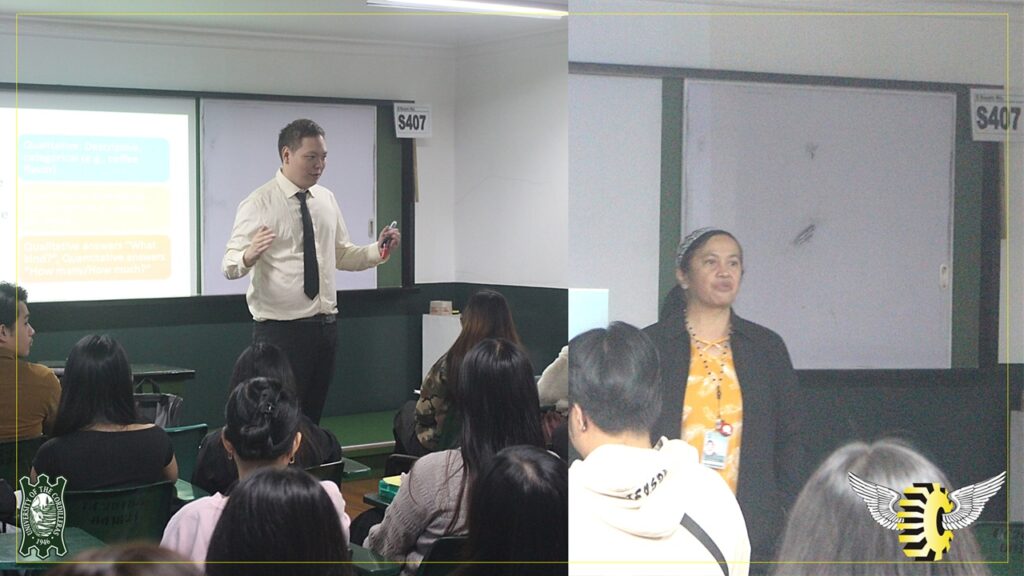
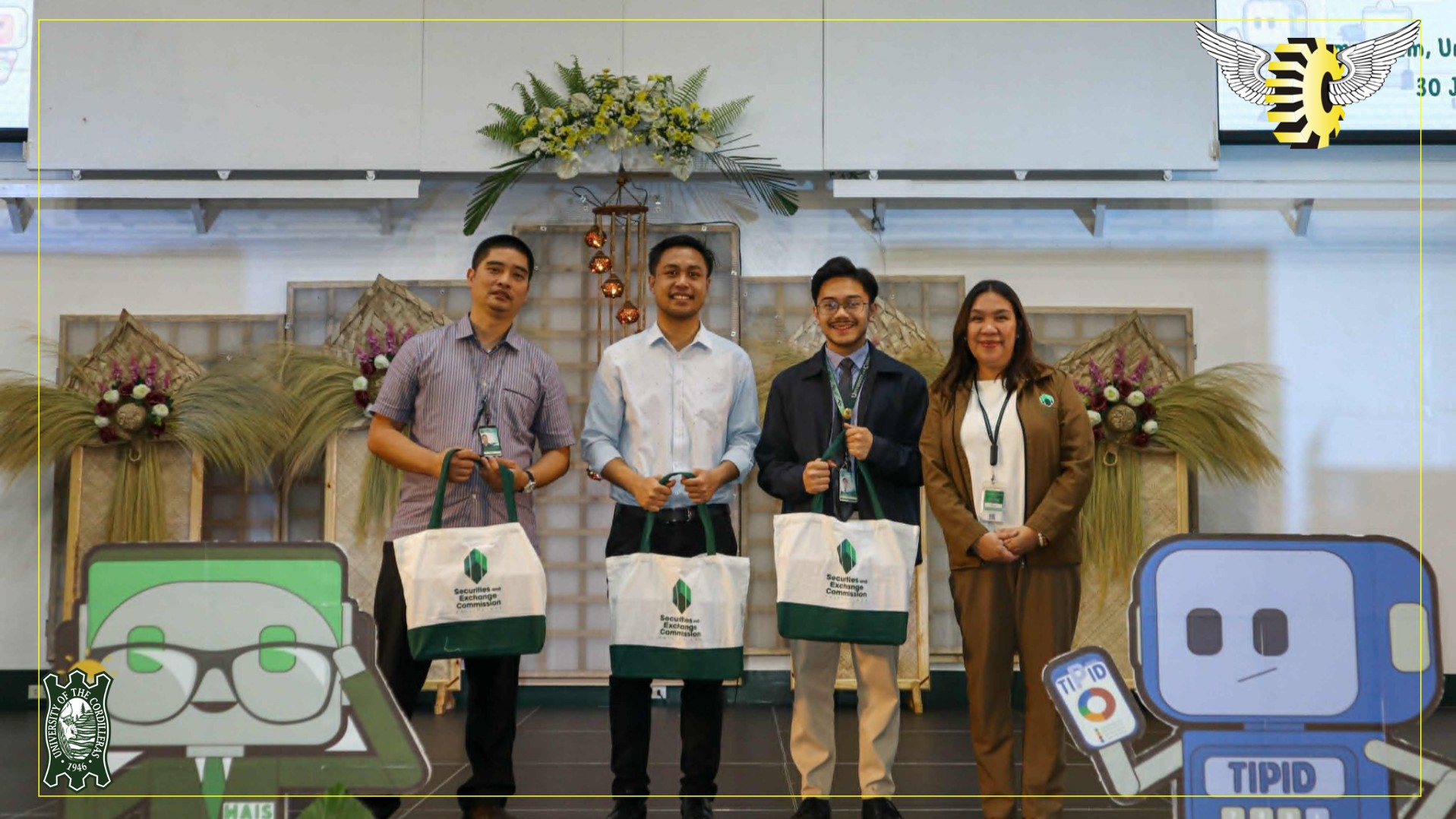
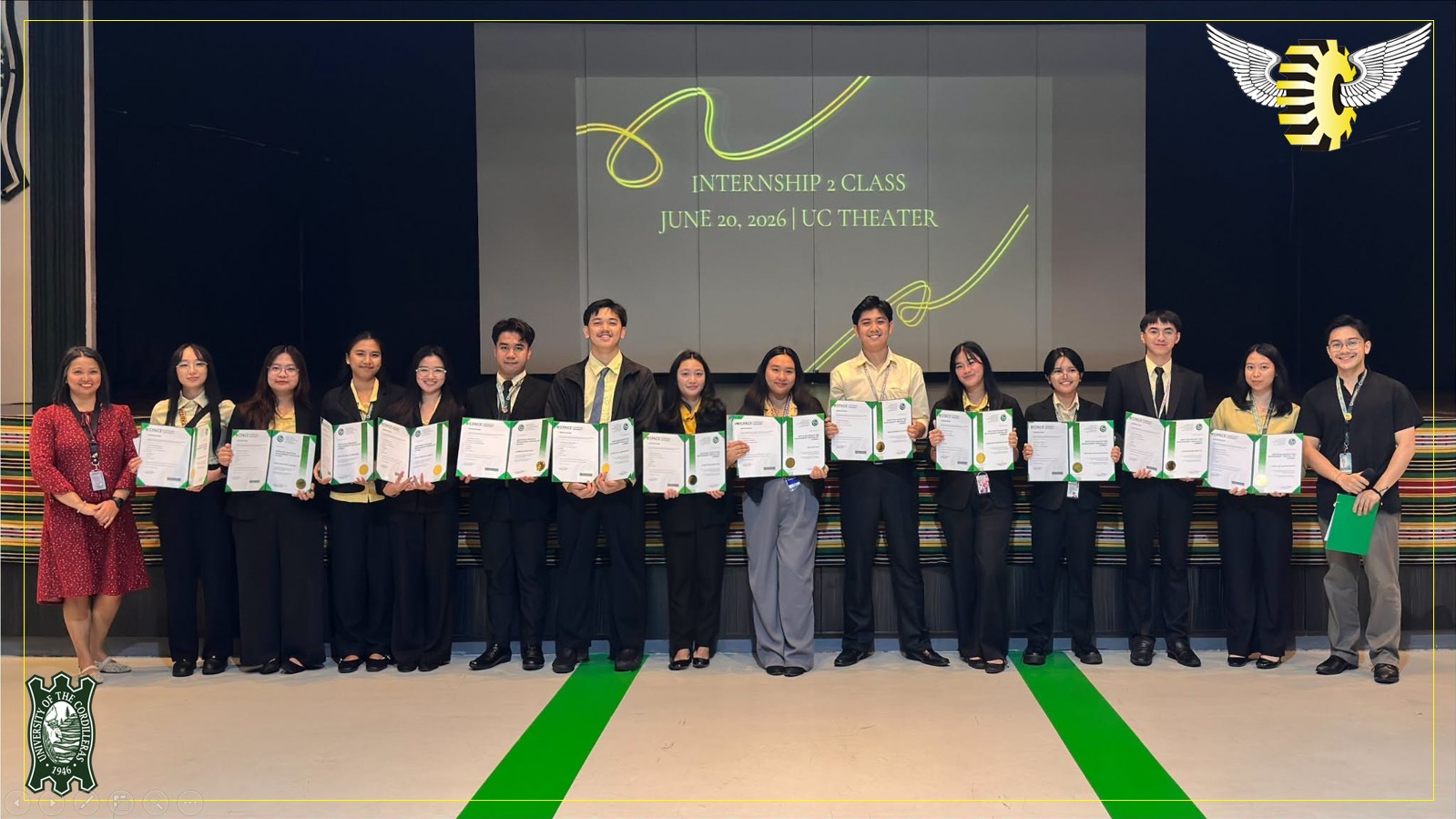
The seminar’s structure blended expert talks with collaborative group work, real-time problem solving, and practical exercises. Students applied concepts directly to scenarios, gaining confidence in choosing the right statistical tools and producing evidence-based outputs. The second day concluded with the awarding of certificates and tokens of appreciation, led by Dr. Tobias and Mr. Gabriel R. De Guzman, followed by closing remarks and photo opportunities with all participants.
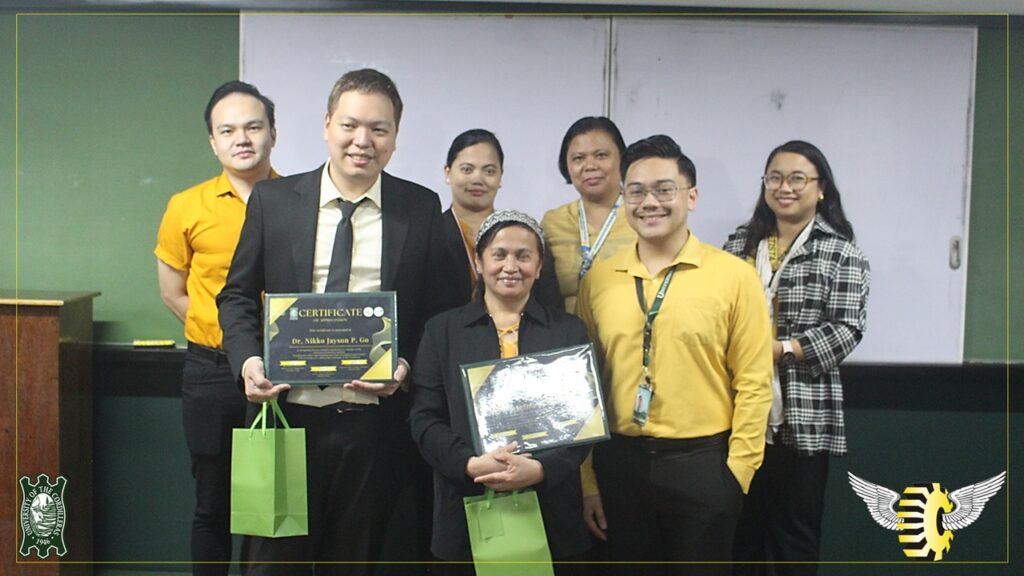
The event received enthusiastic feedback, with attendees reporting improved analytical thinking, deeper understanding of statistical concepts, and a renewed commitment to research integrity. It fostered collaboration, academic excellence, and a data-driven mindset within the CBA community.
Beyond its academic impact, the seminar aligned with the University’s commitment to the Sustainable Development Goals (SDGs), contributing to specific indicators under four key goals:
SDG 4 – Quality Education Indicator 4.3.1: Participation rate of youth and adults in formal and non-formal education and training. The seminar expanded access to advanced statistical training, enhancing student competence in research and analysis.
SDG 9 – Industry, Innovation, and Infrastructure Indicator 9.5.1: Research and development expenditure as a proportion of GDP. By equipping students with data-driven skills, the event supports future contributions to innovation and evidence-based business practices.
SDG 16 – Peace, Justice, and Strong Institutions Indicator 16.6.2: Proportion of population satisfied with their last experience of public services. The seminar promoted transparency, accountability, and integrity in academic outputs, reinforcing institutional trust and quality.
SDG 17 – Partnerships for the Goals Indicator 17.16.1: Number of countries reporting progress in multi-stakeholder development effectiveness monitoring frameworks. The event exemplified collaborative engagement among faculty, student leaders, and peers, fostering a culture of shared responsibility and institutional excellence.
By empowering students to “crack the code” of statistical analysis, NMEC reaffirmed its role as a catalyst for innovation, integrity, and global readiness in business education. The seminar stands as a model for how academic initiatives can drive sustainable development and elevate institutional impact.
Photos by: NMEC
Edited by: jpi